“God put rainbows in the clouds so that each of us, in the dreariest most dreaded moments, can see a possibility of hope.” - May Angelou
RUBY RED RULES
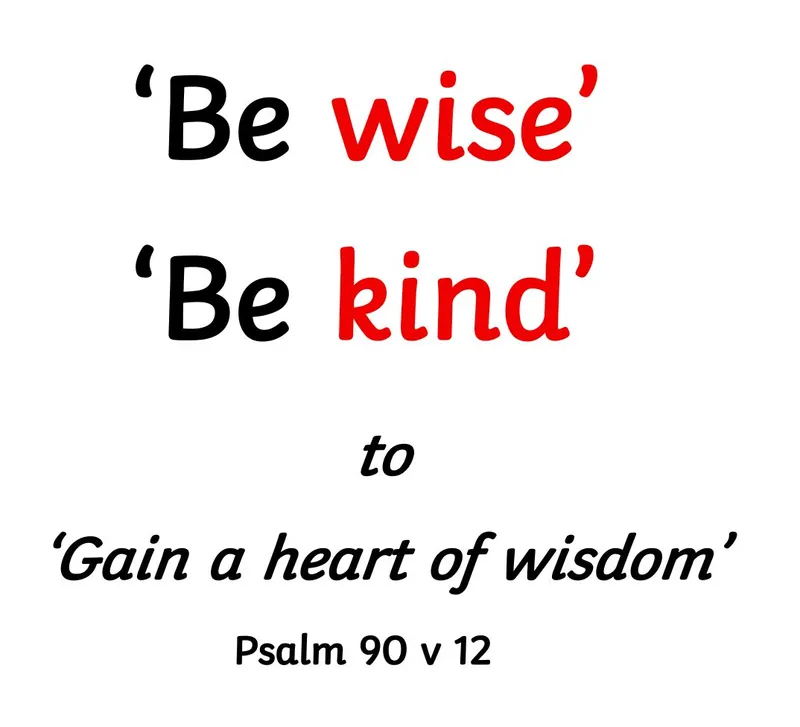
Our simple school rules, “Be wise, be kind,” help create a positive, nurturing culture in which children feel safe, valued, and ready to learn. They guide pupils not just in how to behave, but in how to think about their actions and choices.
Be Wise
Encouraging pupils to be wise helps them learn to:
- Make thoughtful choices by considering the consequences of their actions.
- Solve problems calmly, using strategies they’ve been taught.
- Take responsibility for their learning, behaviour, and belongings.
- Stay safe, making decisions that protect themselves and others.
When children are encouraged to be wise, they begin to see themselves as capable decision‑makers. This builds confidence, resilience, and a positive attitude towards learning and behaviour.
Be Kind
The rule be kind supports pupils to:
- Show respect to others, both in words and actions.
- Develop empathy, understanding how their behaviour affects others.
- Create a welcoming, inclusive environment where everyone feels they belong.
- Support one another, fostering cooperation and teamwork.
Kindness strengthens relationships across the school and helps children feel connected to their community. When kindness is the expectation, positive behaviour becomes the norm.
Together, “Be wise, be kind” gives pupils a simple but powerful framework for developing good character and positive behaviour. Because the rules are easy to remember, they can be applied everywhere—inside classrooms, on the playground, and beyond school.
This approach:
- Focuses on values, not punishment
- Promotes self‑reflection, not just rule‑following
- Builds a supportive atmosphere where pupils want to do the right thing
- Helps children develop the mindset needed to thrive socially, emotionally, and academically
The children in our school have excellent behaviour. Our Ruby Red Rules ensure a consistent approach throughout the school which the children adhere to.
Anti-Bullying
The Anti-bullying Alliance defines bullying as:
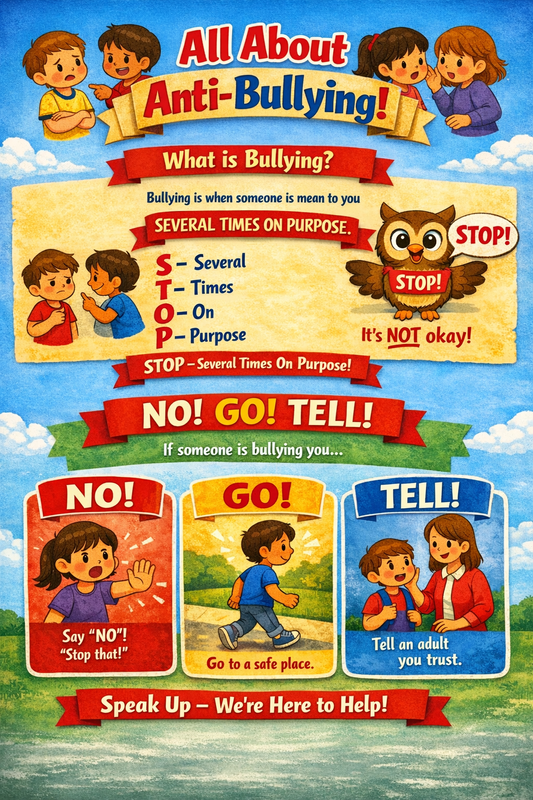
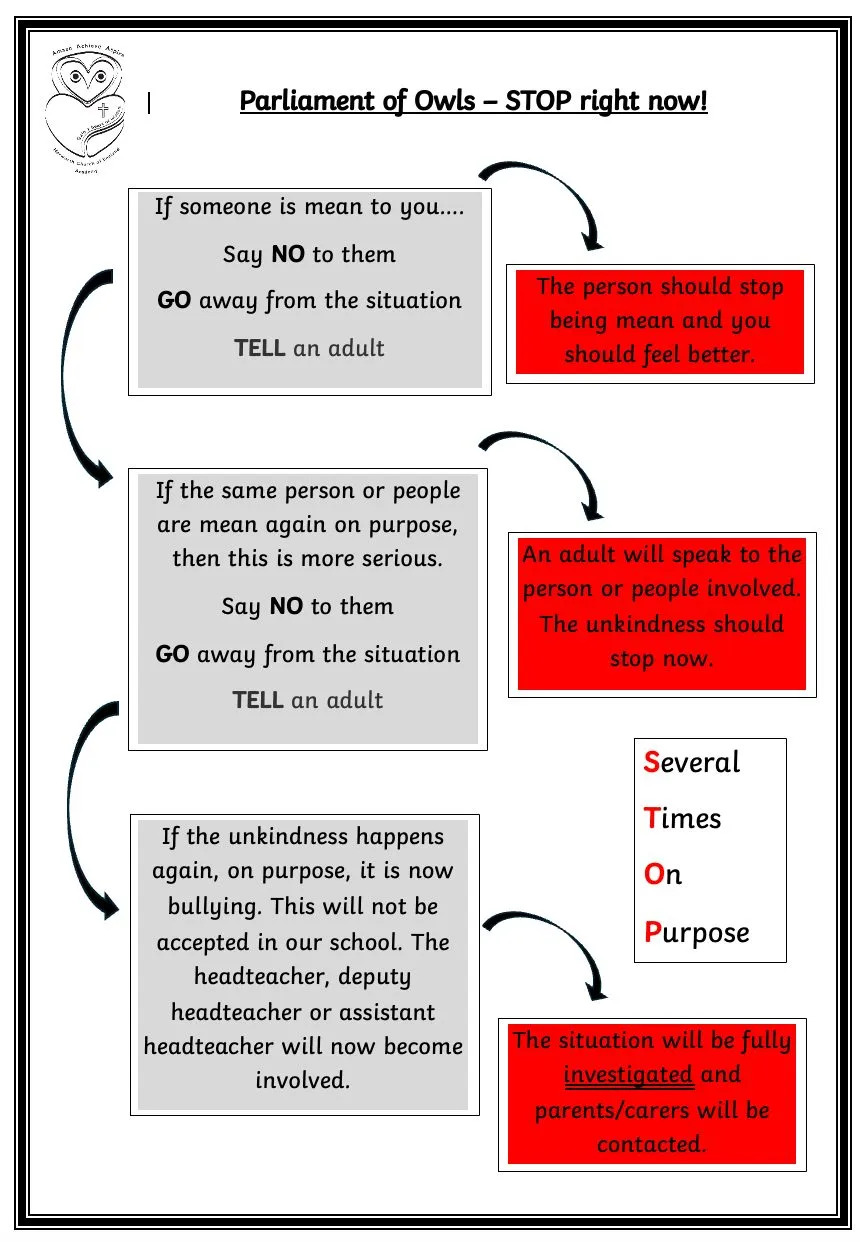
NO GO TELL
We have a zero-tolerance approach to any type of bullying.
In school we teach the children NO! GO! TELL!
NO means to tell the person to stop
GO means to walk away
TELL means to tell an adult
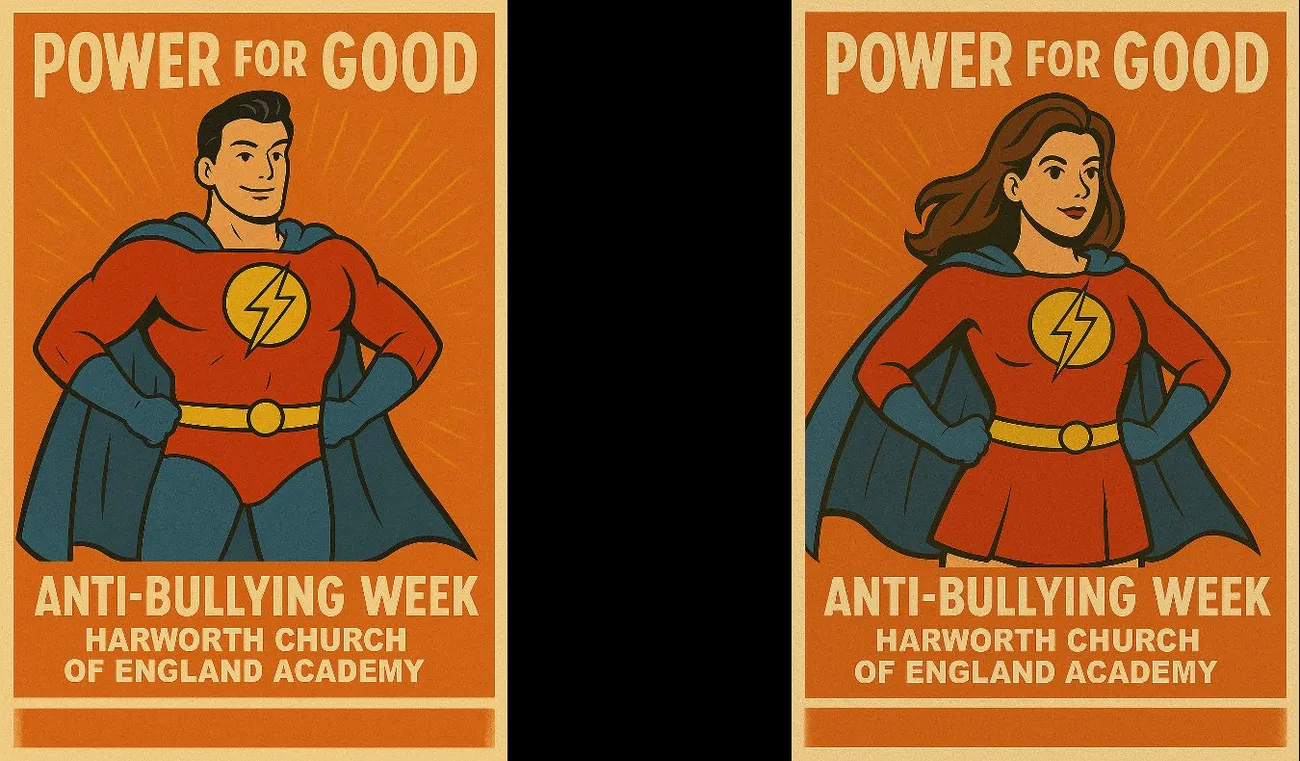
When we use our power for kindness, we can change how someone feels.
When we use our power for good — we make our school stronger.
PSHE sessions allow children to learn about the different types of bullying and how it can affect people. Frequent visits by drama companies, the NSPCC and DAaRT(Drug, Alcohol and Resilience Training) officers reinforce the messages in different ways.
For more information please see:
Anti-Bullying Week (anti-bullyingalliance.org.uk)
https://lifeskillseducation.co.uk/resources/the-dare-primary-programme/